
Why every home should be swapping to circadian friendly lights
For years, most of us have focused on healthier food, cleaner skincare, filtered water, and non-toxic cleaning products — but one of the most overlooked pieces of the wellness puzzle is the lighting inside our homes.
The truth is, artificial lighting impacts far more than just how a room looks. Your lighting environment directly affects your body’s circadian rhythm, hormone release, energy levels, sleep cycle, mental health, cognitive performance, and overall human health. Light acts as one of the body’s most powerful light signals, constantly communicating with your internal 24-hour clock about whether it’s time to wake up, focus, relax, or sleep.
And unfortunately, most modern indoor lighting works against our natural rhythms.
That’s why I’ve slowly been swapping our home over to circadian friendly lights — and honestly, it’s one of my favorite “less toxic home” upgrades we’ve made.
Shop the exact circadian friendly lights we use HERE + use code BRIT for savings.
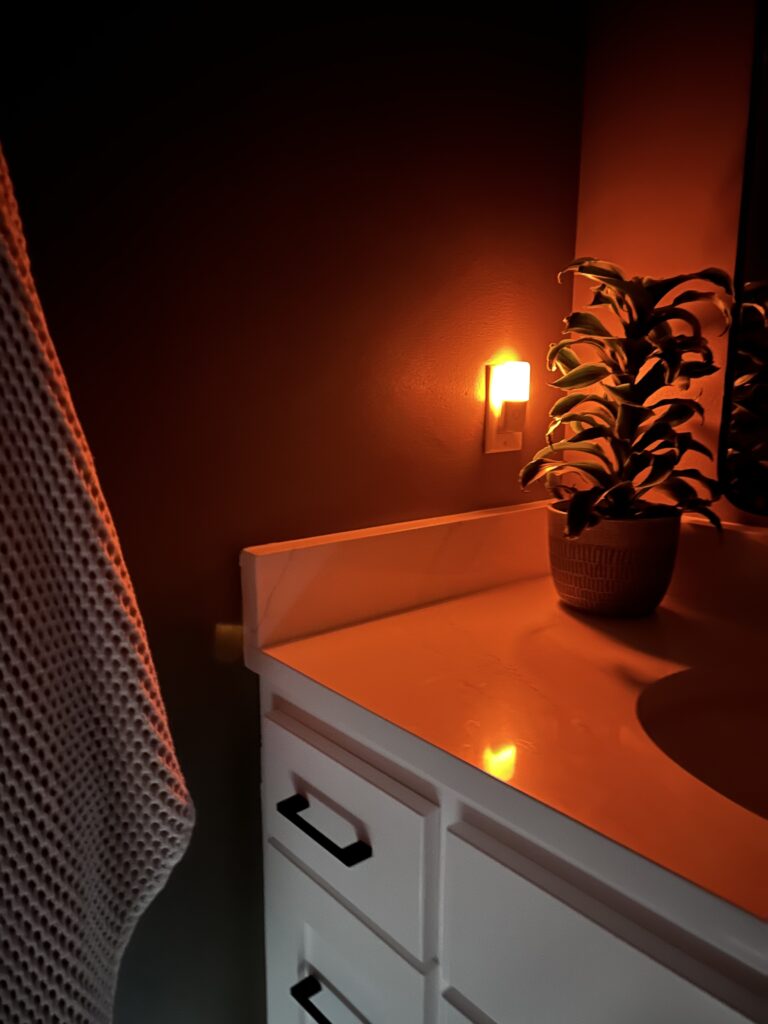
What Is Circadian Lighting?
Circadian lighting systems are designed to mimic natural daylight patterns and support the body’s natural sleep-wake cycle throughout the day. Instead of exposing your eyes to harsh, blue-toned light at all hours, circadian lighting changes based on the time of day and your body’s specific needs.
Think about how natural sunlight works outdoors:
- Bright light and cooler light in the early morning helps wake you up
- Daylight hours provide energizing, full-spectrum lighting
- Sunset brings warmer light and dim light
- Evening campfire light contains almost zero blue light exposure
For most of human history, this natural light cycle regulated our body clock automatically.
But now? We spend the majority of our lives under electric light, staring at electronic devices, working in home office spaces under cool-toned lights, and exposing ourselves to bright white light long after the sun goes down.
The result is a major disconnect between our modern lighting scheme and our body’s circadian rhythm.
Why Modern LED Bulbs Can Be Problematic
Many standard LED bulbs prioritize energy efficiency and energy consumption, but not necessarily human biology.
Traditional LED bulbs often emit excessive blue light, flicker at a level the nervous system can detect (even if your eyes don’t consciously notice it), and contribute to overstimulation late into the evening.
That constant blue light exposure matters because blue-toned light suppresses melatonin production — the hormone responsible for helping your body prepare for sleep.
When your body receives those “daytime” light signals late at night, it can interfere with:
- Sleep quality
- Deep sleep
- Nervous system regulation
- Hormone release
- Energy levels
- Mood balance
- Cognitive performance
- Circadian alignment
And while many people focus on reducing screen time before bed, they completely overlook the overhead lighting blasting cool white light throughout the entire house.
Your Home Lighting Should Change Throughout the Day
One of the most important factors in healthy circadian rhythm support is matching your indoor lighting to the natural daylight patterns outside.
Our ancestors didn’t have one fixed brightness and colour temperature all day long. Their lighting environment shifted naturally from sunrise to sunset.
This is why I love circadian lighting design so much — it allows your home environment to work with your body instead of against it.
During the daytime, brighter full-spectrum lighting can help support focus, productivity, and alertness.
In the evening, warm lighting and lower light intensity help signal safety, relaxation, and rest.
At night, very dim amber lighting or campfire-style lighting helps encourage melatonin production and better sleep.
It’s such a small change, but it can make a surprisingly big difference in how your home feels.
The Circadian Friendly Lights We Use
USE CODE BRIT FOR EXTRA SAVINGS
After researching countless light bulbs, I eventually found the circadian friendly lighting from Healthy Home Shop — and they checked every box I was looking for.
Their Healthy Home flicker-free lighting is specifically designed for:
- Circadian rhythm regulation
- Nervous system balancing
- Sleep optimization
- Low-EMF living
- Reducing dirty electricity
Unlike many standard LED bulbs, these use upgraded LED technology that produces flicker-free light while minimizing blue light exposure when needed.
And my favorite part? They have three different settings built into one bulb that can easily be toggled through by simply turning the existing light switch off and on.
1. Daylight Setting
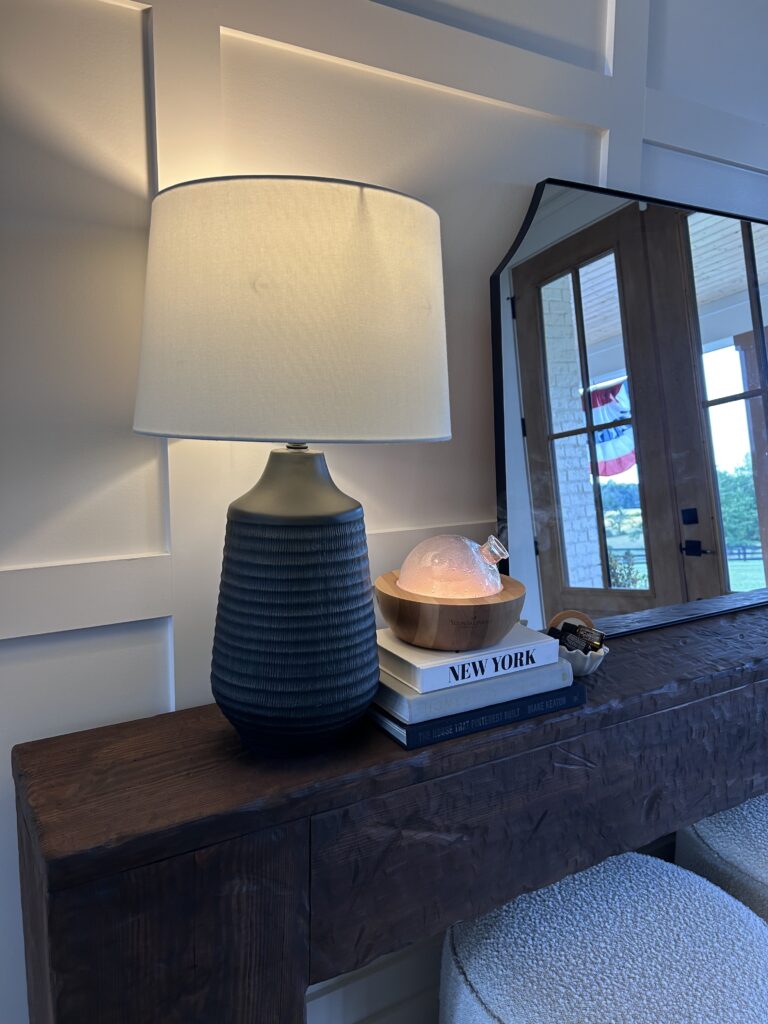
This setting provides full-spectrum lighting designed to emulate daylight sun.
It’s energizing, stimulating, and ideal for:
- Morning routines
- Home office spaces
- Kitchens
- Task lighting
- Daytime productivity
- Areas needing bright ambient lighting
This brighter, cooler light supports energy levels and alertness during daylight hours while still feeling far more natural than harsh white light from conventional led bulbs.
2. Sunset Setting
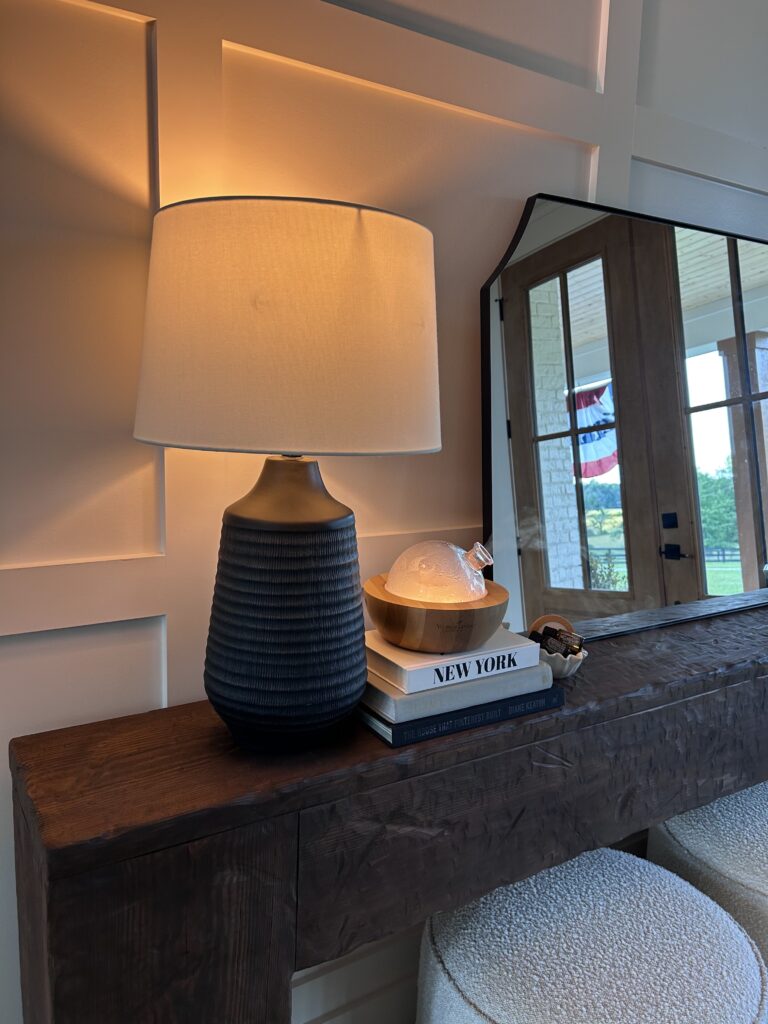
The sunset setting gives off a warm amber hue while emitting significantly less blue and green light.
It’s gentle but still illuminating enough for:
- Living room lighting
- Family dinners
- Evening routines
- Relaxing after work
- Lower stimulation before bed
This warmer light helps support the body’s natural transition into evening mode while still keeping your home cozy and functional.
3. Campfire Setting
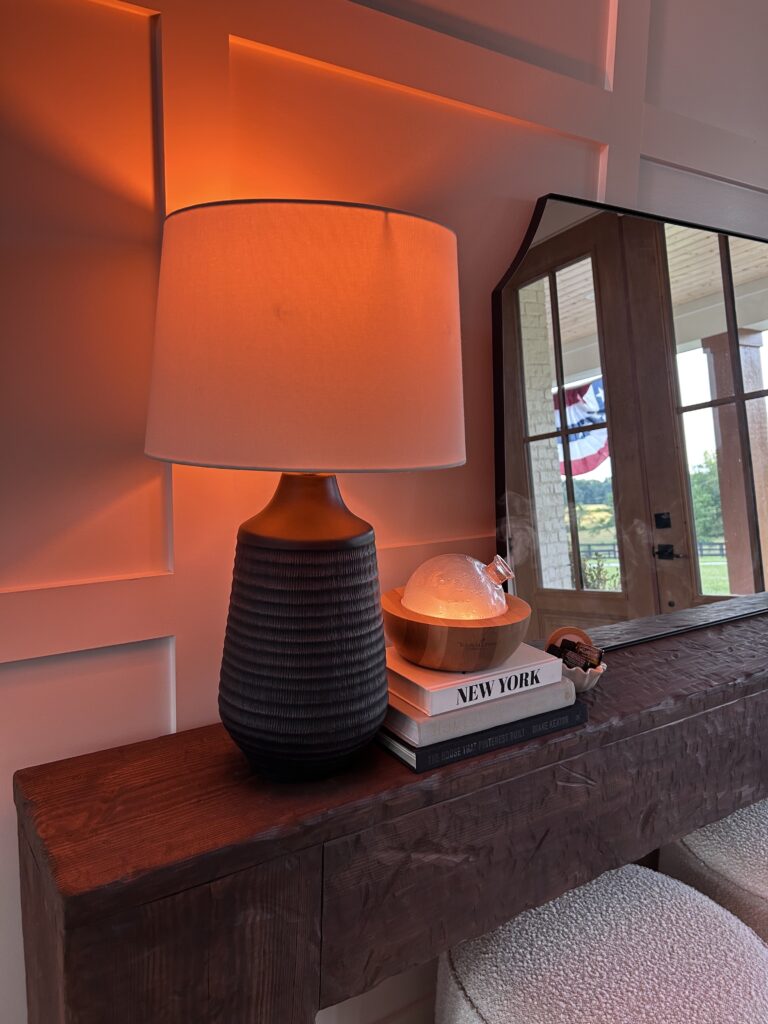
This one is hands-down my favorite.
The campfire mode creates a fiery glow with zero blue light. It feels calming, grounding, and deeply relaxing.
This setting is ideal for:
- Nighttime routines
- Bedrooms
- Reading before bed
- Wind-down time
- Supporting melatonin production
- Creating a calm nervous system state
And truly — this is the setting that convinced me circadian lighting systems are worth it.
Instead of my house looking like a fluorescent grocery store at 9 PM, it suddenly feels peaceful and cozy. Think candlelight meets luxury wellness retreat… not “biohacker chicken coop.”
The Link Between Light and Sleep Quality
If you struggle with falling asleep, staying asleep, waking up tired, or feeling wired at night, your indoor lighting could absolutely be contributing.
Your body uses light wavelengths and colour temperature as cues for when to release hormones tied to wakefulness and sleep.
Cooler light and bluer light exposure late at night tell your body:
“Stay awake. It’s still daytime.”
Warm lighting and dim light tell your body:
“It’s safe to rest now.”
This is why people often notice improvements in:
- Sleep quality
- Relaxation
- Evening anxiety
- Bedtime routines
- Morning energy
- Nervous system regulation
simply by changing their lighting environment.
And honestly, it makes sense. Humans were never designed to sit under bright overhead white light until midnight.
Circadian Lighting Supports More Than Sleep
While better sleep is one of the biggest benefits of circadian lighting, it’s not the only one.
Supporting your body’s circadian rhythm can positively influence:
- Hormone balance
- Mood
- Energy levels
- Focus
- Cognitive performance
- Mental health
- Stress resilience
- Nervous system regulation
Light exposure is deeply tied to the body’s internal clock. In fact, disruptions to circadian alignment have even been linked to seasonal affective disorder, mood struggles during winter months, and general fatigue.
The body thrives on rhythm and consistency.
And while we can’t perfectly replicate natural sunlight indoors, we can create a lighting environment that better supports natural rhythms instead of disrupting them.
Why Flicker-Free Lighting Matters
One thing many people don’t realize is that many standard LED bulbs produce invisible flicker.
Even when you can’t consciously see it, your nervous system and brain can still detect that constant pulsing.
For sensitive individuals especially, flickering lights may contribute to:
- Eye strain
- Headaches
- Fatigue
- Nervous system stress
- Difficulty concentrating
That’s one reason I specifically looked for flicker-free lighting.
The Healthy Home bulbs are designed to eliminate that flicker while also helping reduce dirty electricity and maintaining low-EMF output.
Again — this isn’t about perfection or fear. It’s about creating a calmer, more supportive home environment through intentional small changes.
You Don’t Need a “Smart Home” to Support Your Circadian Rhythm
A lot of people assume they need expensive smart lighting systems, smart bulbs, or elaborate dynamic lighting systems to create circadian lighting at home.
But honestly? Simplicity wins here.
I personally love that these bulbs can be adjusted simply by flipping the existing light switch on and off. No complicated apps. No overwhelming tech setup. No special attention required.
That makes it so much easier to actually use consistently in daily routine life.
Easy Places to Start Swapping Your Lighting
You absolutely do not need to replace every bulb in your house overnight.
Start with the spaces where lighting impacts you most:
Bedrooms
This is probably the most important area for supporting healthy circadian rhythm and sleep quality.
Living Room
Most families spend their evenings here, making it a great place to use warmer light settings at night.
Home Office
Use brighter daylight-style lighting during work hours to support focus and cognitive performance.
Kitchen
Bright task lighting during the day, then lower warm lighting in the evening creates a much more balanced lighting scheme.
Circadian Friendly Lighting Makes a Home Feel Better
This might sound dramatic, but changing our lighting genuinely changed the feeling of our home.
The atmosphere feels calmer.
Evenings feel slower.
Bedtime routines feel less chaotic.
The house feels cozy instead of overstimulating.
And as someone passionate about less toxic living, I’ve realized healthy homes are about so much more than removing harmful products. It’s also about creating spaces that help the body feel safe, regulated, and supported.
Lighting plays such an important function in that.
Natural Light Still Matters Most
Of course, no indoor lighting replaces getting outside in direct sunlight.
Morning natural sunlight exposure remains one of the best things you can do for your body clock and circadian alignment.
I always encourage:
- Getting outside in early morning light
- Opening blinds during daylight hours
- Spending time outdoors daily
- Reducing bright artificial lighting at night
Circadian friendly lights simply help bridge the gap indoors when natural lighting isn’t available.
Final Thoughts on Circadian Friendly Lighting
If you’ve already started swapping your home toward cleaner products, filtered water, non-toxic cookware, and healthier habits, lighting is absolutely worth considering next.
Because the truth is:
We interact with light constantly.
It influences our:
- Body’s internal clock
- Sleep cycle
- Energy levels
- Hormone release
- Mental health
- Nervous system
- Overall well-being
And once you experience the difference that warm, flicker-free, low-EMF circadian friendly lights make in your home environment, it’s hard to go back.
I truly believe this is one of those “small changes” that quietly supports health in a really meaningful way.
Especially in a world where most of us are already overloaded with artificial lighting, electronic devices, and overstimulation.
Creating a softer, calmer, more natural lighting environment simply feels better for the body.
And no — your home doesn’t have to look like a weird orange biohacker bunker to do it.
These lights manage to feel functional, beautiful, cozy, and wellness-supportive all at the same time.
Shop Our Favorite Circadian Friendly Lighting
Use code BRIT for extra savings
