
Non Toxic Summer Sun Care
Summer is one of the sweetest times of year — slower mornings, long pool days, barefoot evenings, beach trips, gardening, and endless outdoor activities with the people we love most. But as the summer months approach, it’s also the time many families begin rethinking their sun care products and asking an important question: What is actually in conventional sunscreens?

Over the last several years, more people have become aware of the harmful chemicals commonly found in sunscreen products and the potential health risks associated with daily exposure. Because our skin is our biggest organ, what we apply to it matters. From hormone disruption and allergic reactions to environmental impact and coral reefs, choosing safer sunscreens has become a huge part of intentional summer living.
The good news? Effective sun protection and clean ingredients can absolutely go hand in hand.
Today I’m sharing my favorite non-toxic sunscreens, SPF skincare and foundation products I personally love, plus holistic summer sun care tips that help support the skin naturally — like hydration, vitamin C intake, mineral protection, and what we use after too much sun exposure.
Why I Choose Non-Toxic Sunscreens
Many conventional sunscreens rely on chemical UV filters like oxybenzone, octinoxate, homosalate, and avobenzone. These active ingredients work by absorbing UV rays into the skin and converting them into heat. While they are common in mainstream sunscreen use, studies have raised concerns around endocrine disruptors, toxic chemicals, hormone disruption, skin irritation, and environmental damage — especially to marine life and coral reefs.
Mineral sunscreens, on the other hand, sit on top of the skin and physically reflect harmful UV rays. They typically use non-nano zinc oxide or titanium dioxide as their active ingredients and are considered a great option for those looking for safer, more natural sunscreens.
Over the last 13 years, I’ve learned that sunscreen is just one piece of creating a healthier home. If you’re looking for a complete roadmap, my Intentional Home Guide walks you through the exact swaps we made room by room, including ingredients to avoid, certifications to look for, and my favorite trusted products.
I personally look for:
- Broad-spectrum protection
- Non-nano zinc oxide
- Fragrance-free formula whenever possible
- Organic ingredients
- Water resistant formulas
- Clean ingredient lists
- No synthetic fragrances or synthetic dyes
- Reef friendly options
- Lightweight formula for daily use
The Environmental Working Group has also become a helpful resource for many families researching sunscreen safety and cleaner body care products.
What Makes a Sunscreen “Non-Toxic”?
A non-toxic formula doesn’t necessarily mean perfect — but it does mean being intentional about avoiding some of the most concerning toxic ingredients commonly found in sunscreen products.
Here are a few things I personally avoid:
- Oxybenzone
- Octinoxate
- Homosalate
- Synthetic fragrance
- Artificial dyes
- Aerosol sprays
- Chemical UV filters
Instead, I prioritize natural ingredients that nourish and protect the skin while still offering effective protection.
Ready to simplify your journey to less toxic living?
If you’re just getting started, grab my free 7 Days to a Less Toxic Home Challenge. I’ll walk you through simple, practical swaps you can make this week—without overwhelm or perfection.
My Favorite Non-Toxic Sunscreens
1. Primally Pure SPF
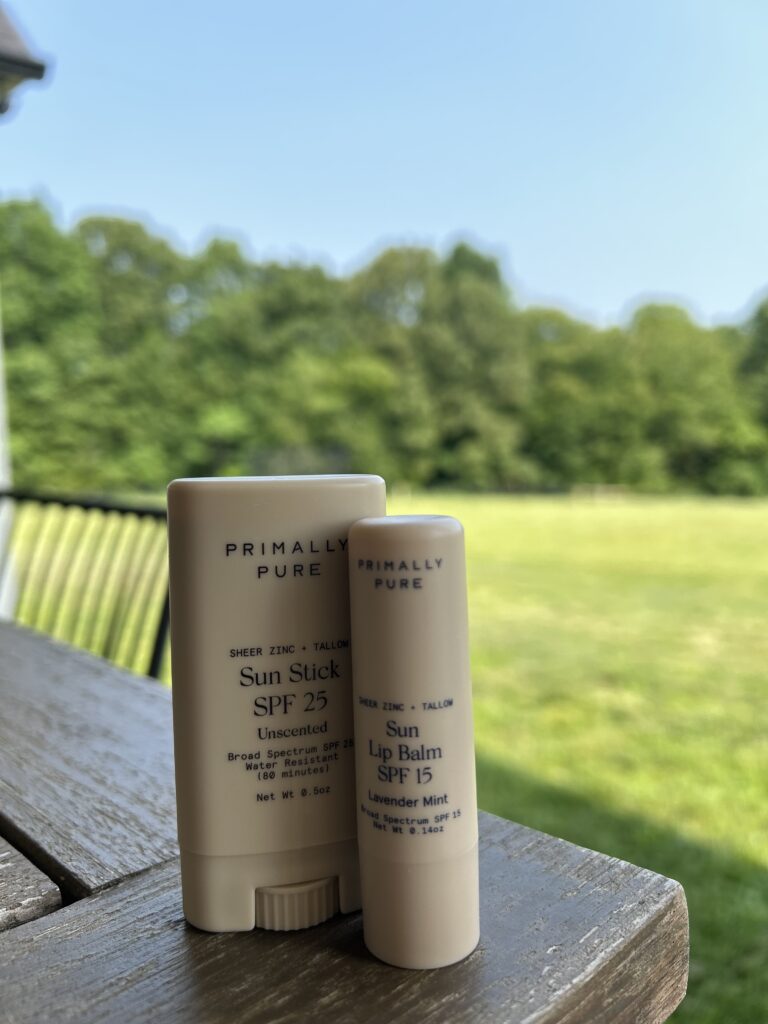
This has quickly become one of my favorite non-toxic products for everyday wear. The ingredient list is simple, nourishing, and made with clean ingredients that actually support the skin barrier.
What I love:
- Non-nano zinc oxide
- Lightweight formula
- No overwhelming white cast
- Beautiful under makeup
- Works well for extra sensitive skin
- Packed with natural ingredients
It gives broad-spectrum sunscreen protection without feeling heavy or greasy, which is honestly hard to find in the mineral sunscreen world.
2. Badger adventure mineral sunscreen cream SPF 30
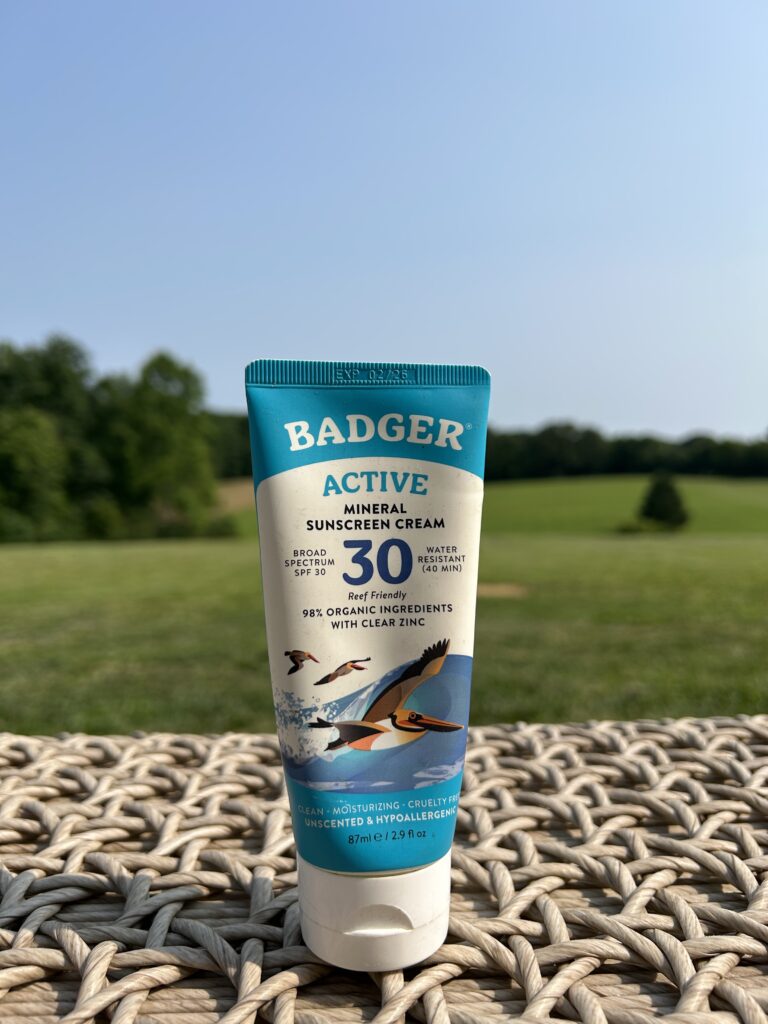
98% Organic with Zinc Oxide, Non Toxic, Water Resistant, Unscented & Hypoallergenic, Broad – Spectrum, For Adventure & Sport. If you struggle with finding clean sunscreen that comes in a higher SPF (50), this is the one I swear by.
Why I love it:
- Hydrating formula
- Fragrance-free sunscreen
- Great for sport/sun use
- Higher SPF
- Easy for all skin types
This has become my go-to for busy days of sports/outdoor activities when I know we will be sweating a lot. I love this for my kids and heavy sports days!
My Favorite SPF Skincare + Foundation Products
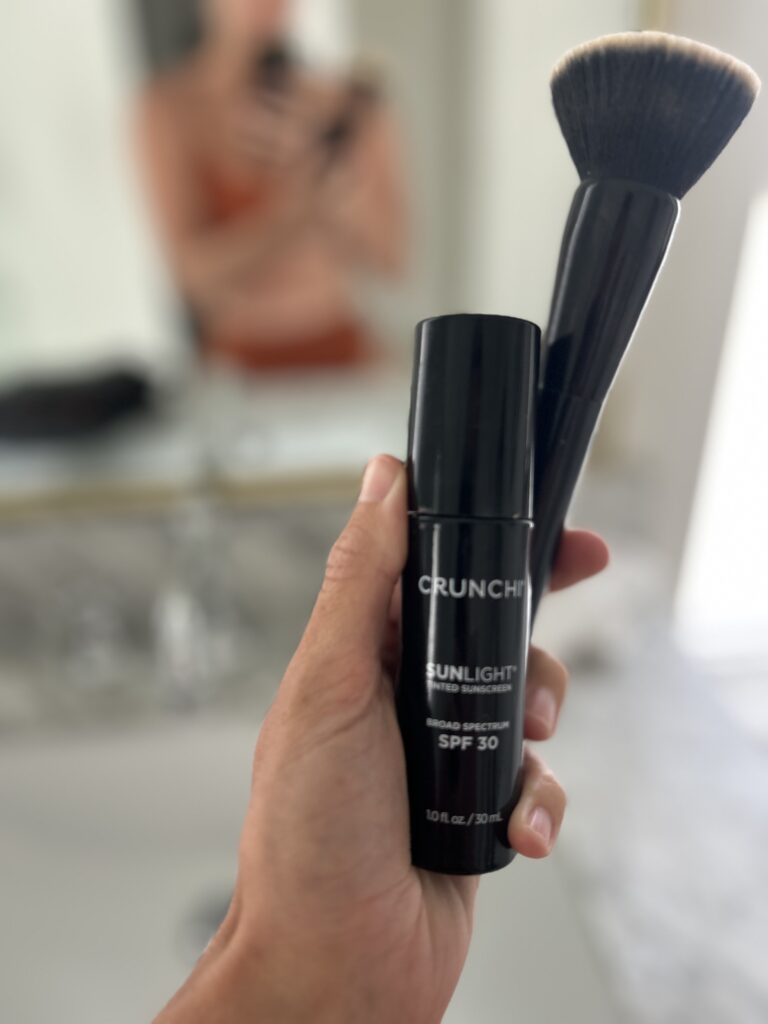
One of the easiest ways to protect your skin consistently is layering SPF into products you’re already using every single day.
SPF Moisturizers
I love using SPF skincare underneath makeup because it gives an additional layer of protection during everyday minutes of sun exposure — school pickup, walks outside, gardening, errands, sports practices, and afternoon park days.
Look for:
- Mineral SPF
- Non-toxic formula
- Fragrance-free formula
- Broad-spectrum protection
- Jojoba oil or shea butter for hydration
SPF Foundation or Skin Tint
A clean SPF foundation is one of my favorite summer beauty swaps because it simplifies my routine while helping protect my skin tone from sun damage.
The best ones:
- Feel breathable
- Don’t clog pores
- Offer lightweight coverage
- Include mineral sunscreen protection
- Avoid harmful chemicals
My top picks:
Use code thehensrudehome10 for 10% off!
I especially love products that combine skincare, SPF, and makeup all in one because motherhood and summer schedules don’t always leave time for a complicated routine.
Helpful Ways to Naturally Support Your Skin During Summer
Sunscreen is important, but there are also several natural products and lifestyle habits that can help your skin become more resilient during the summer season.
Want to create a healthier home without the overwhelm?
My Intentional Home Guide includes over 350 product recommendations, ingredient guides, certifications to look for, and the exact non-toxic swaps we’ve made over the years.
Increase Vitamin C Intake
One of my favorite summer wellness habits is intentionally increasing vitamin C intake through real fruit and whole foods.
Vitamin C supports:
- Skin health
- Collagen production
- Protection against free radicals
- Skin recovery after sun exposure
Some of my favorite vitamin C-rich foods:
- Strawberries
- Citrus fruits
- Kiwi
- Pineapple
- Bell peppers
- Watermelon
Watermelon especially is one of my summer staples because it supports both hydration and antioxidant intake at the same time.
Hydrate More Than You Think You Need To
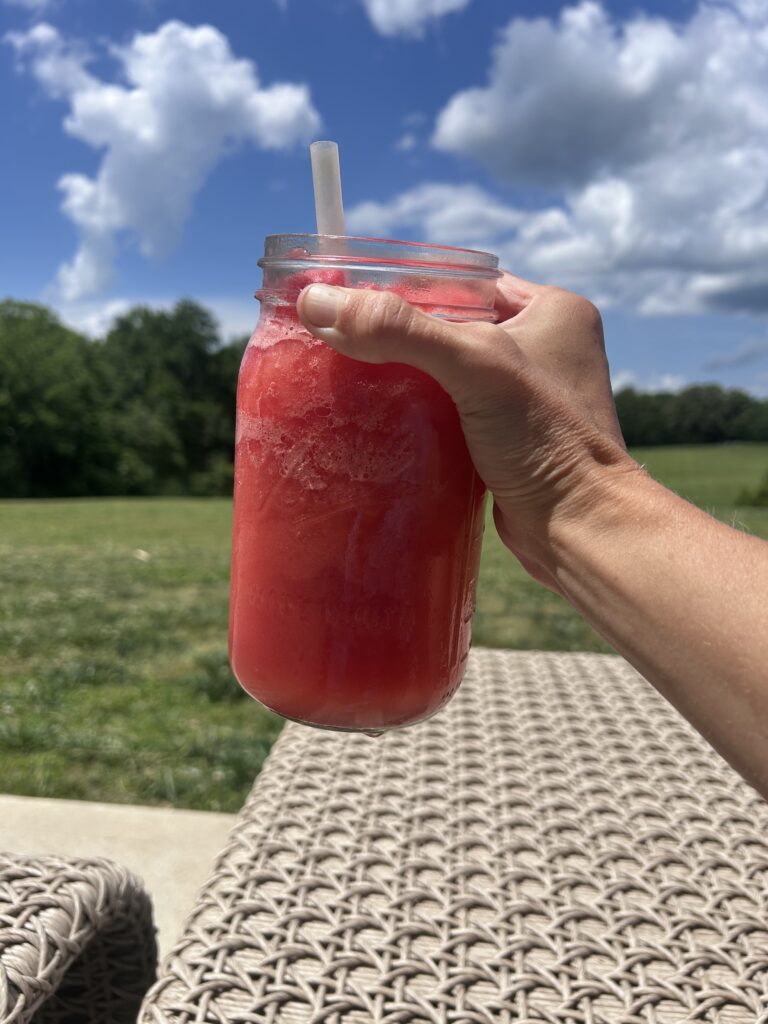
One of the biggest things people underestimate during summer approaches is hydration.
Dehydrated skin becomes more sensitive to heat and sun exposure, making sun damage feel worse and recovery slower.
We focus on:
- Mineral-rich hydration
- Coconut water
- Watermelon
- Homemade electrolyte drinks
- Trace minerals
- Real salt added to water
One of our favorite summer hydration drinks is blended watermelon, fresh lime juice, a pinch of real salt, and sparkling water. It’s refreshing, supports hydration, and avoids the synthetic dyes and unnecessary sugars found in many sports drinks.
If you prefer a ready-made option, these are the mineral and electrolyte products we keep stocked all summer long.
Wear Physical Sun Protection

Sometimes the only thing better than sunscreen is simply blocking the sun naturally.
We rely heavily on:
- Wide brim hats
- Linen clothing
- Sunglasses-during peak sunlight hours
- Umbrellas at the beach
- Seeking shade during peak afternoon hours
This goes a long way in reducing overall radiation exposure without constantly needing to reapply sunscreen products.
You can shop all of our favorite summer essentials and sun protection products HERE
Prioritize Midday Shade
One of the simplest forms of effective sun protection is avoiding prolonged direct sun during the strongest UV hours.
Especially for young children, babies, and extra sensitive skin types, building breaks into outdoor activities can make a huge difference.
We still enjoy the outdoors constantly during summer months — we’re just more intentional about balancing sunshine with shade.
What We Use If We Get Too Much Sun
Even with the best intentions, too much sun exposure happens sometimes — especially during beach days, vacations, lake trips, and long afternoons outside.
Here’s what we use to support skin recovery naturally.
Aloe Vera Gel
A good aloe vera gel is always a staple in our home during summer.
Look for:
- Minimal ingredient list
- No artificial fragrance
- No dyes
- High aloe content
Aloe helps cool irritated skin and provides hydration after sun exposure. My favorite comes in an easy to carry and apply tube.
Coconut Oil
While I don’t use coconut oil as sunscreen, I do love it after sun exposure for deeply nourishing dry skin.
Sometimes I’ll combine:
- Aloe vera gel
- Coconut oil
- A drop of lavender essential oils
This combination feels incredibly soothing after long outdoor days.
Mineral Baths
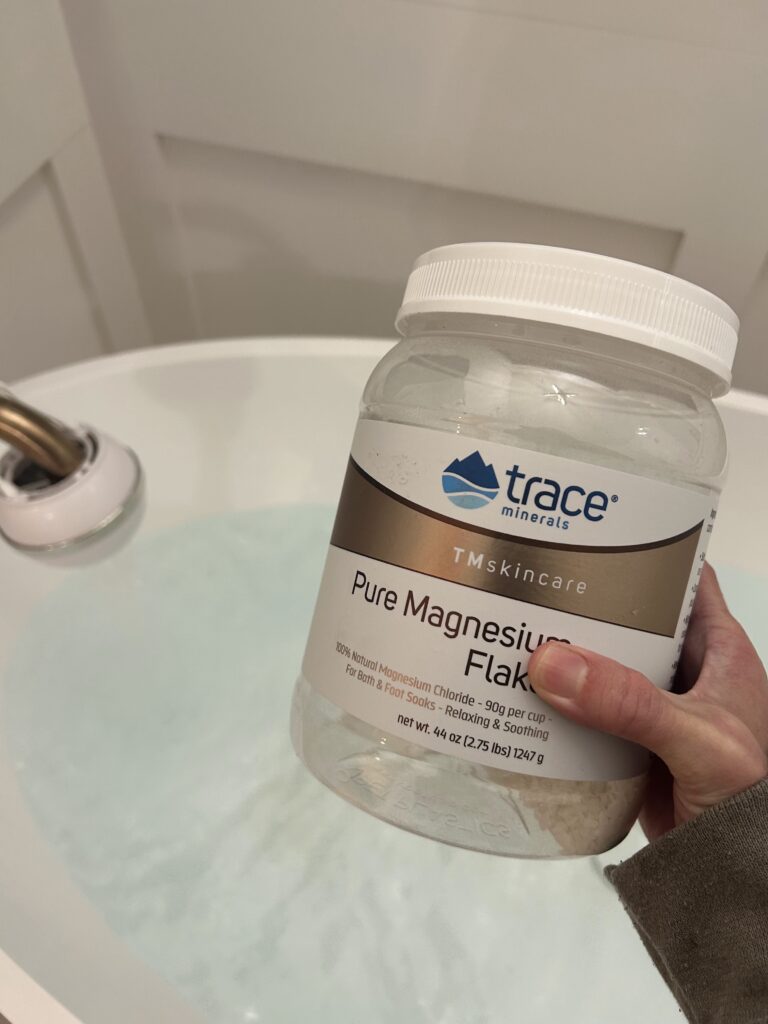
A magnesium-rich bath can help support the body after heat exposure and outdoor activities.
We often add:
- Epsom salt
- Magnesium flakes
- Baking soda
This is especially helpful after beach days or sports tournaments in extreme heat.
Prioritize Internal Recovery
If we’ve had too much sun, we focus heavily on:
- Extra hydration
- Electrolytes
- Antioxidant-rich foods
- Rest
- Vitamin C intake
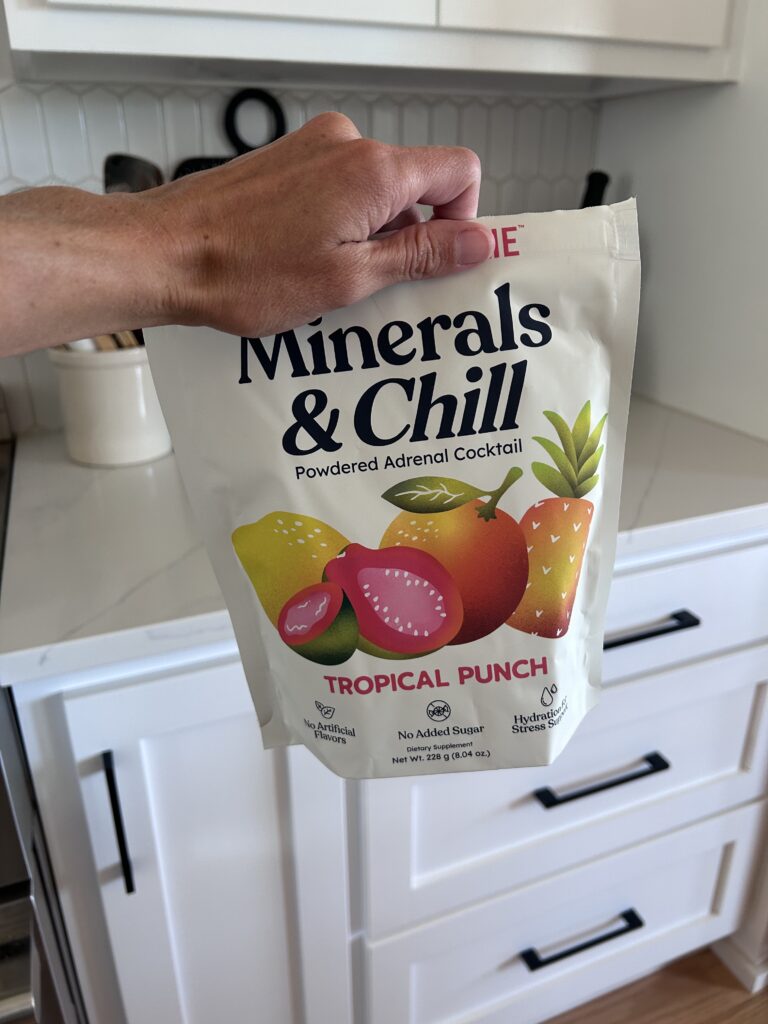
Supporting the body internally matters just as much as what you apply topically.
Why Non-Toxic Summer Care Matters
For me, less toxic living isn’t about fear. It’s about intentionality.
We can enjoy sunshine, summer fun, pool days, vacations, and outdoor memories while still being mindful of what we’re putting on our bodies and bringing into our homes.
The reality is, many harmful chemicals are hiding in everyday products — including sunscreen products marketed toward the entire family. Becoming more aware of ingredient lists empowers us to make informed decisions that align with our values and long-term wellness goals.
And thankfully, recent years have brought so many better options to the market. There are now more safer sunscreens, reef friendly options, fragrance-free sunscreen formulas, and non-toxic products available than ever before.
Final Thoughts on Non Toxic Summer Sun Care
Non-toxic summer sun care doesn’t have to be complicated.
Want to Simplify Less Toxic Living?
Whether you’re just beginning or ready to make deeper swaps, here are my favorite resources:
✔️ Free: 7 Days to a Less Toxic Home Challenge
Start simple:
- Choose a mineral sunscreen with non-nano zinc oxide
- Focus on broad-spectrum protection
- Hydrate consistently
- Increase antioxidant-rich foods
- Wear protective clothing
- Prioritize shade when possible
- Support skin recovery naturally
Those small intentional choices truly add up over time.
My biggest encouragement is this: don’t let perfection overwhelm you. Every cleaner swap, every intentional choice, and every step toward reducing toxic ingredients in your home matters.

Summer should feel joyful, slow, memory-filled, and life-giving — and with the right tools and education, you can protect your skin while still fully enjoying the sunshine.
